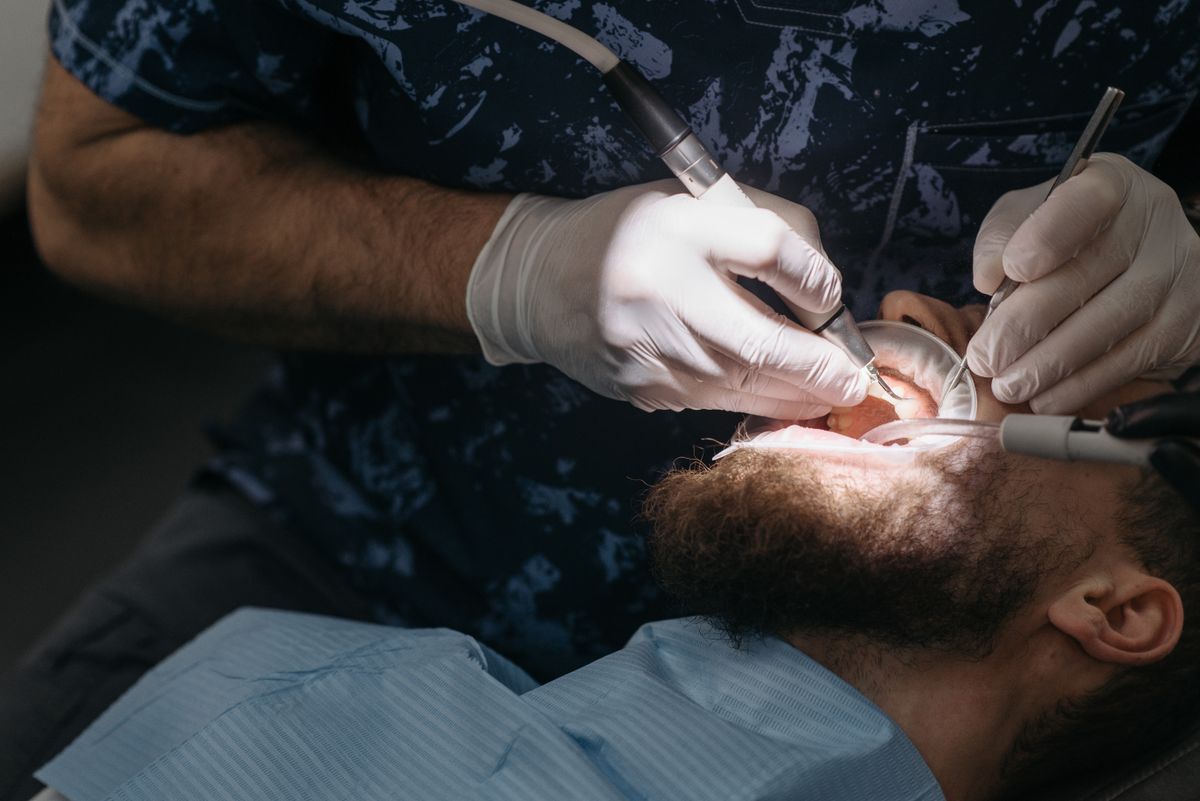
Wisdom teeth often do not have enough room to come in properly. A partly erupted or impacted wisdom tooth can cause repeated swelling, pain and decay in the neighbouring tooth.
When you may need it
- Pain, swelling or pus around a back tooth
- Difficulty opening the mouth
- A tooth broken below the gum line
- Very loose teeth due to advanced gum disease
- Teeth that need to be removed for braces
What happens during treatment
- 1
Assessment and X-ray
We check the position of the tooth and its roots, and review your medical history and medicines.
- 2
Local anaesthesia
The area is numbed so you feel pressure but not pain.
- 3
Removal
The tooth is removed gently. Impacted wisdom teeth may need a small surgical procedure and stitches.
- 4
Recovery guidance
You receive written aftercare instructions and a follow-up if needed.
Recovery and aftercare
- Bite on the gauze for 30–45 minutes.
- Do not spit, rinse forcefully or use a straw for 24 hours.
- Eat soft, cool food on the first day and avoid smoking.
- Call the clinic if bleeding, swelling or pain increases after 2–3 days.
What affects the cost
The cost depends on your examination findings. Dr. Nath explains the options and the cost clearly before any treatment begins. The main factors are:
- Simple extraction or surgical removal
- Position of the tooth, especially impacted wisdom teeth
- X-rays and medicines needed
Common questions
Do all wisdom teeth need to be removed?
No. Wisdom teeth that have come in fully, are healthy and can be cleaned properly can stay. Removal is advised when they cause pain, infection or damage to the neighbouring tooth.
How long does recovery take?
Simple extractions usually settle in a few days. Surgical wisdom tooth removal may take about a week for swelling to go down.